Market and Requirements Research
(1–2 weeks)
/ Why Is This Stage Needed?
/ How to Create a Better Product and Avoid Repeating Others’ Mistakes?
Moodboard
User Flow
Customer Journey Map
/ You will see:
- Which features and approaches should be improved or rethought.
- Which solutions should not be used in your product.
- Which solutions have already proven effective in the market.
- Where competitors face problems and lose users.
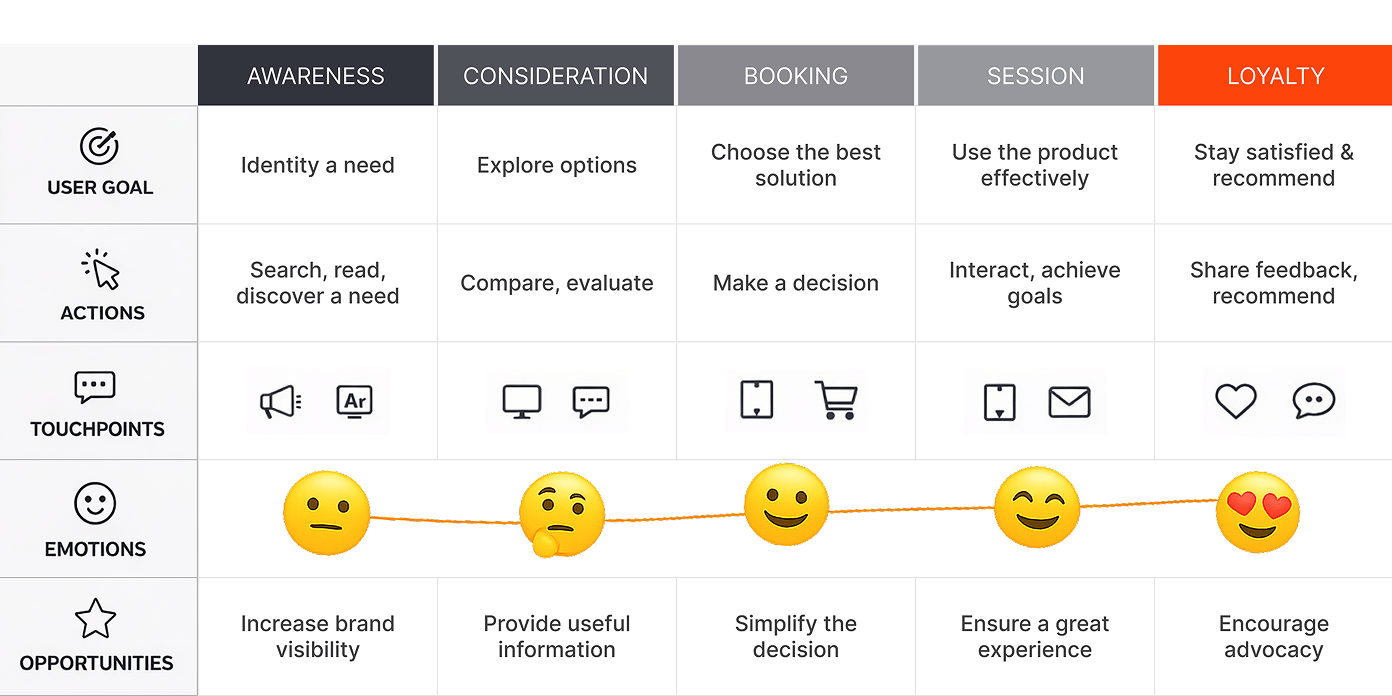
/ What emotions will your product evoke?
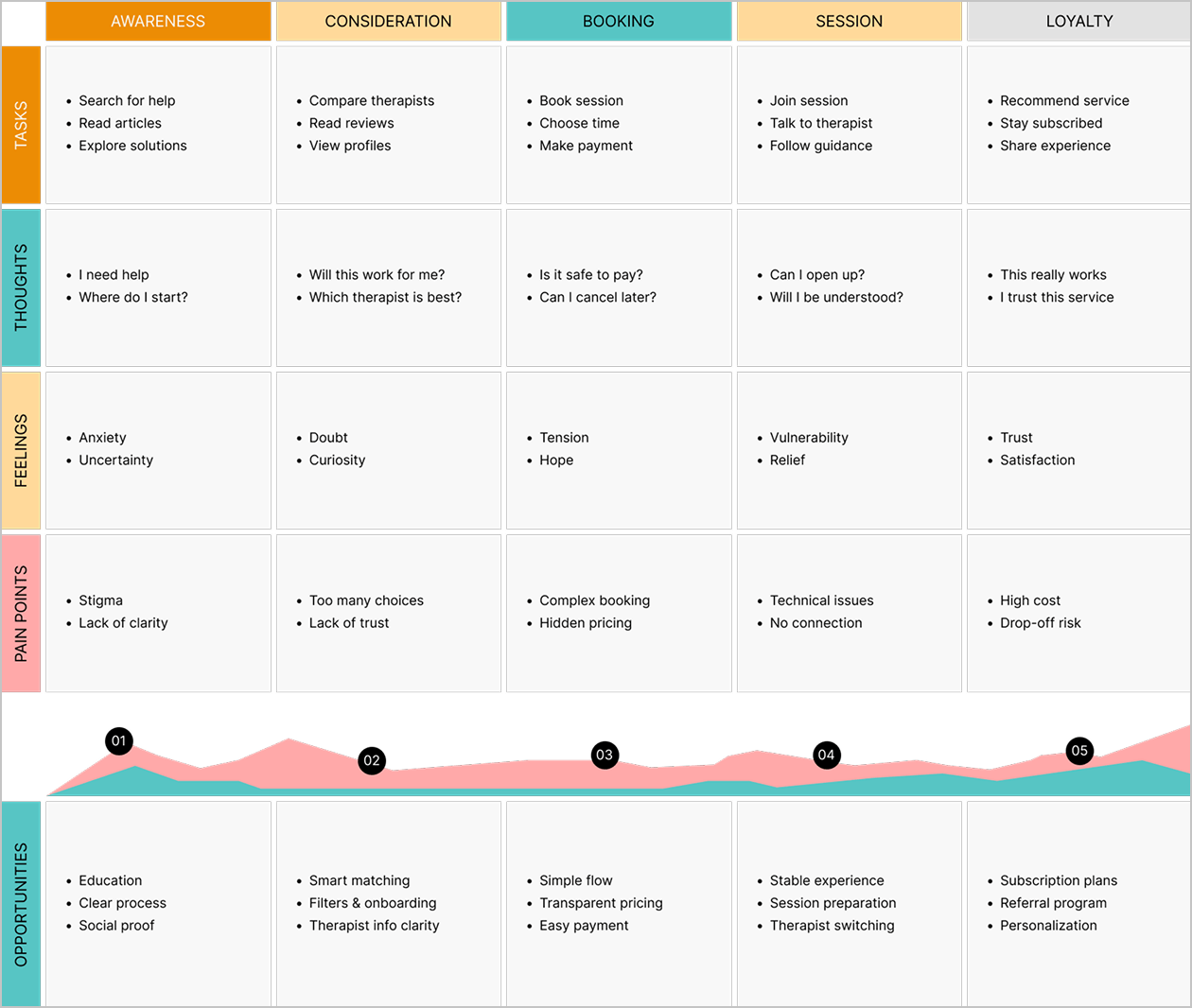
How Does This Impact the User Experience?
We identify moments where users may experience discomfort, confusion, or distrust — and eliminate them before development begins.
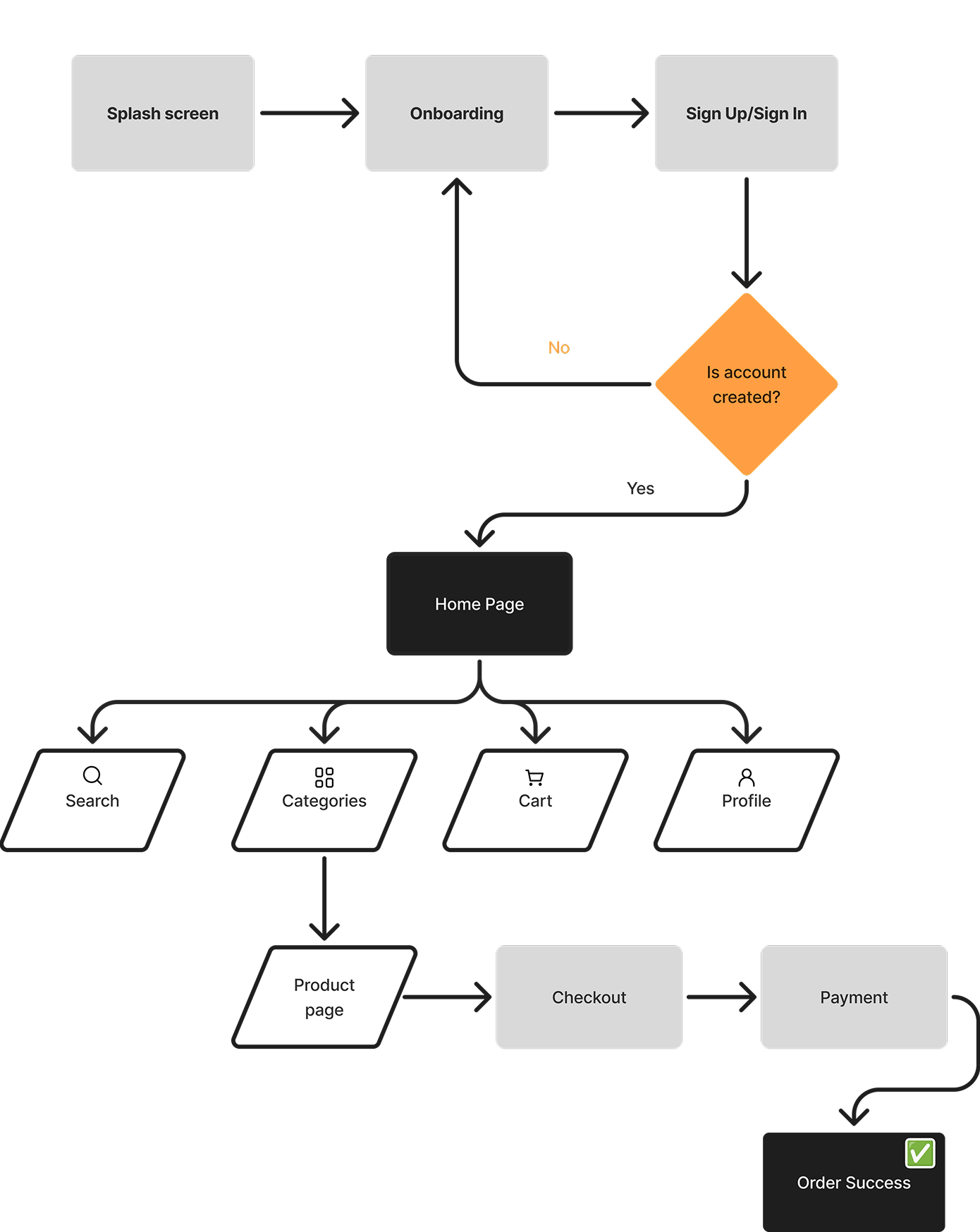
/ How Will Real Users Use My Product?
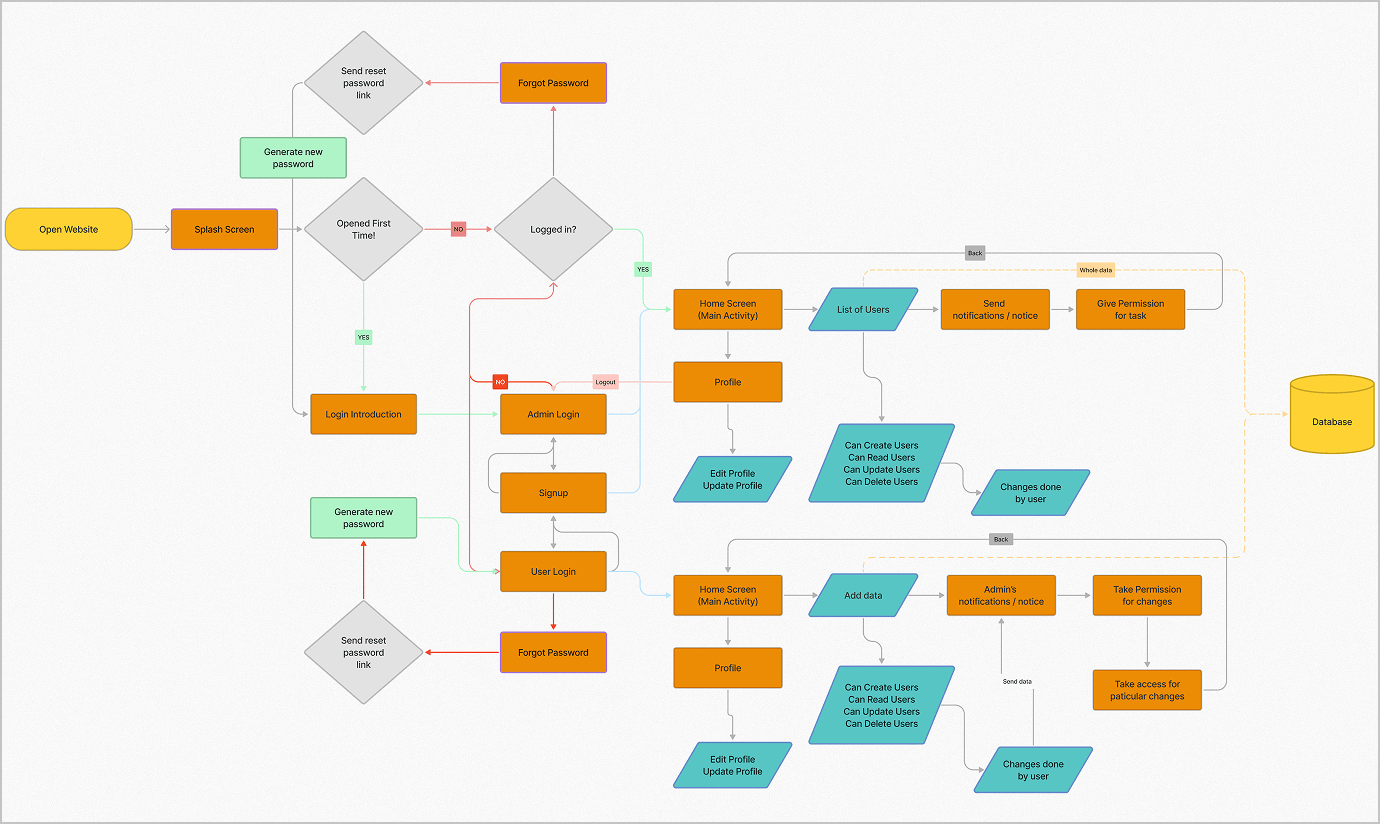
Why is this needed:
So the interface is logical and easy to understand.
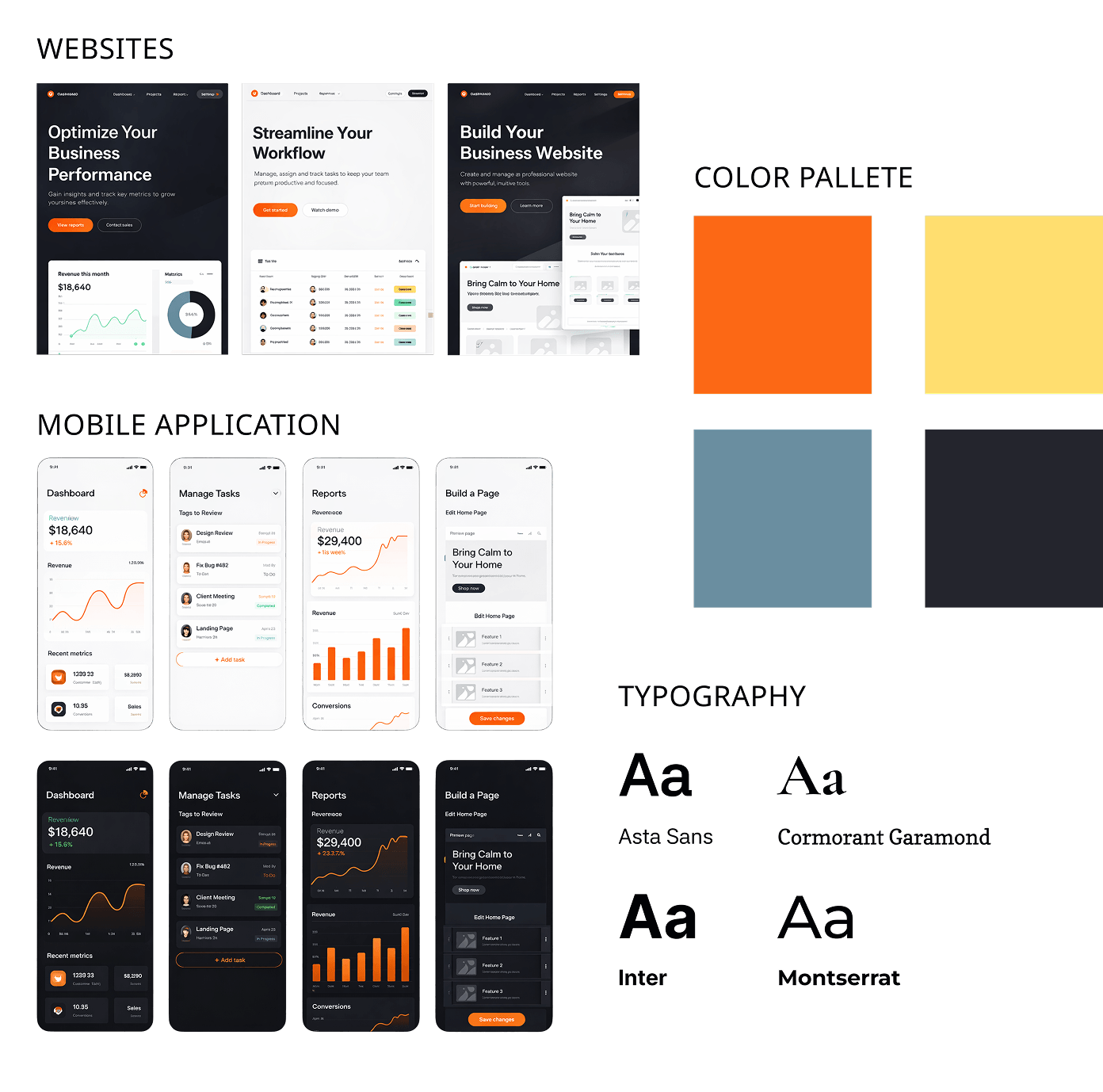
/ How Will the Product Look Even Before Design?
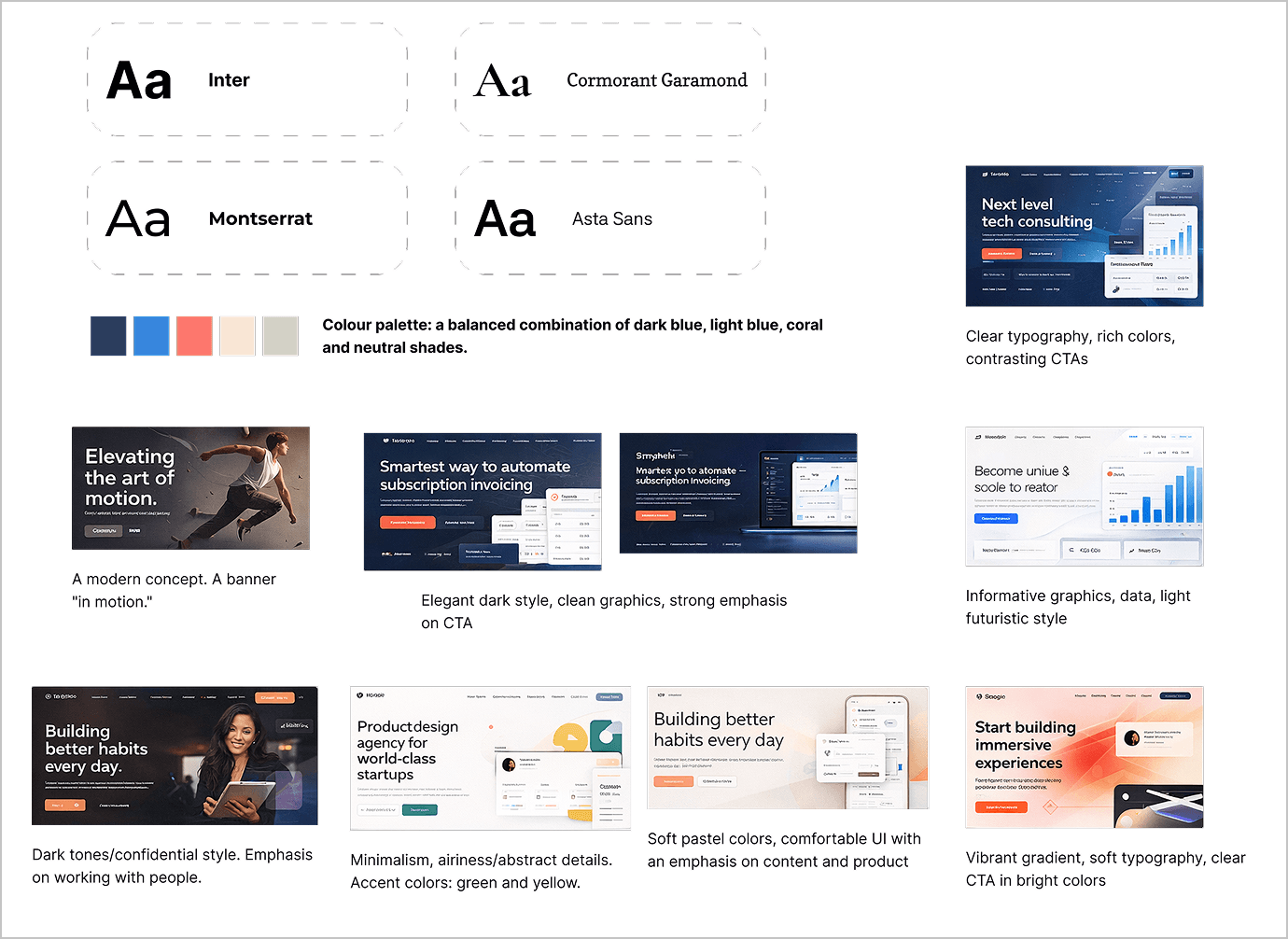
Why is this needed:
So the visual style matches the target audience.
/ How to Stay Within Budget and Launch Faster?
/ What Is an MVP?
Minimum Viable Product
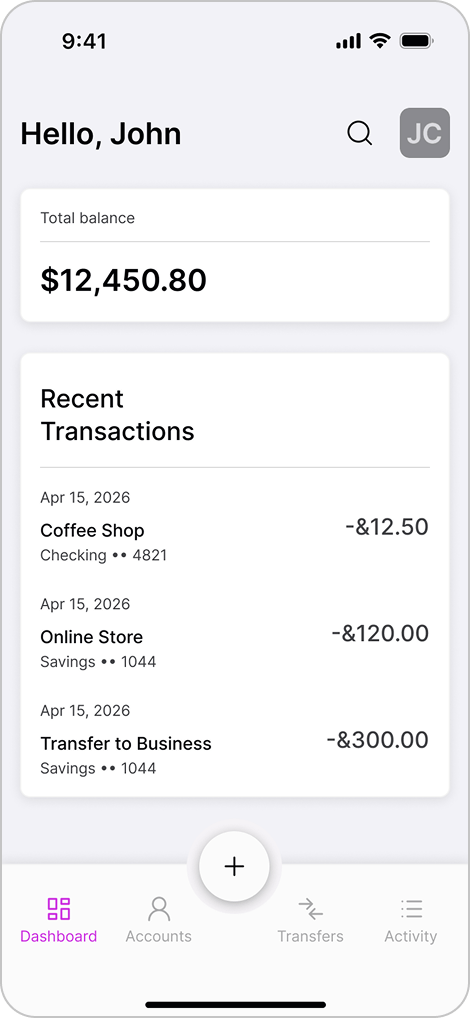
- Core functionality only
- Fast time to market
- Validation of the main product idea
- Basic user flow
- Minimal development cost
- Focus on early users and feedback
Full Product
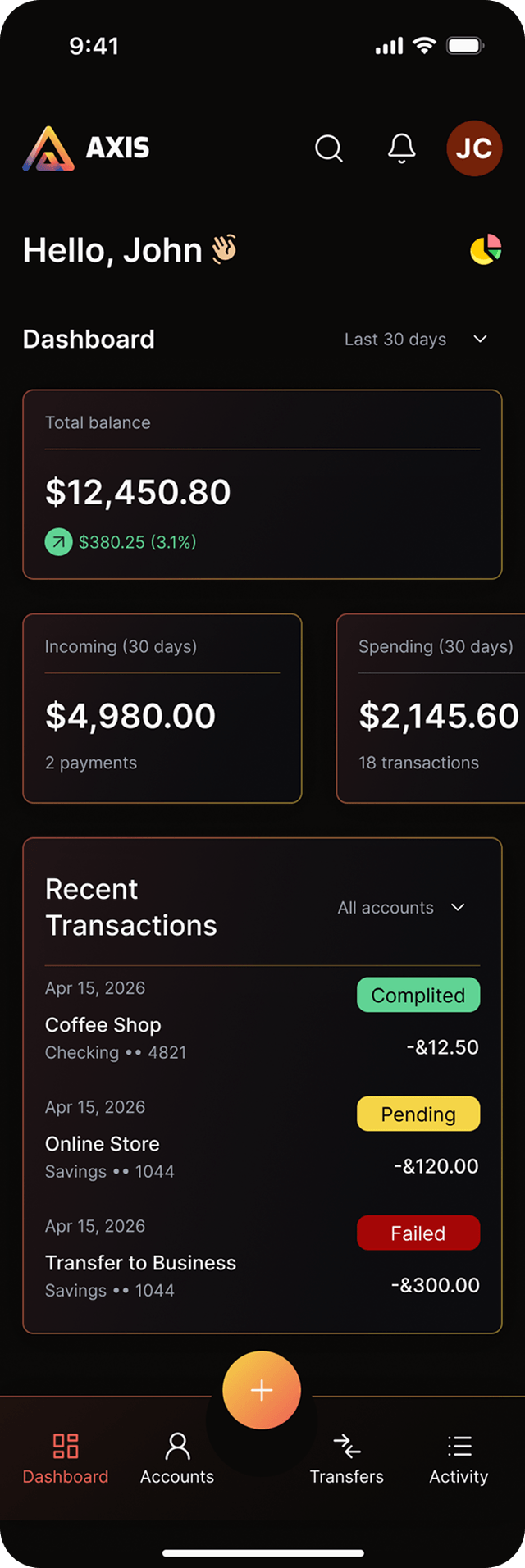
- Extended feature set
- More complete user experience
- Well-structured flows and screens
- Higher flexibility and scalability
- Integrations, analytics, and advanced capabilities
- Ready for product growth and a wider audience
We define the key features for an MVP — a minimal yet complete product that:
- solves the user’s main problem;
- demonstrates the product’s value to the market;
- allows you to launch faster and start receiving feedback.
/ Business benefits
- Budget savings at launch without losing product value
- Faster time to market
- Confidence that investments are working and delivering results
- A clear product growth plan after launch
/ What Is the Outcome of This Stage for Your Business?
Complete product overview
A complete picture of the product - you understand the market, target audience, competitors, and your growth point against the backdrop of existing solutions.
Clear user flows (User Flow)
A clear understanding of how the customer interacts with the product at every stage and why it will be convenient for them to use.
Visualization of key product elements
The overall visual direction, style, typography, color palette, and interface mood that shape the first impression and build trust.
Prioritized feature list
A clear understanding of which features are essential for launching a complete MVP and which can be safely moved to later stages without losing value.
Confidence in the product
You know with confidence that the product is logically structured, focused on real users, and has market potential even before design and development begin.
After this stage, you have a solid foundation for design and development that reduces risks, saves budget, and allows you to move forward with full confidence in the result.
If you are just starting to understand the project cost and timeline, begin with 1. Free Cost Estimate to evaluate the project with no obligations.
Once the product is fully defined conceptually, we move on to 3. Design and Prototyping, where ideas are transformed into visual design and an interactive prototype.